Indigenous-led, land-based aquaculture

Food, knowledge, and value have always traveled along Indigenous routes.

Grease Trail builds sustainable, land-based aquaculture in partnership with First Nations communities across Western Canada — restoring local food production and keeping ownership where it belongs.

The Name

What is a grease trail?

A grease trail is an overland trade route — part of a vast network connecting the Pacific coast with the interior of the Pacific Northwest. The name comes from the most important item carried inland: the processed oil — the "grease" — of the eulachon (oolichan) fish, traded for furs, copper, and obsidian.

For thousands of years, First Nations traders followed these well-trodden routes across plateaus, highlands, and mountain passes — covering a geography that reached from what is now the Yukon south to northern California, and as far east as Alberta and Montana.

Our name honours those Indigenous trade networks that linked Pacific coast fisheries with interior communities for millennia.

Food, knowledge, and value have always traveled along Indigenous routes — and they still can.
Our Mission

Building food security with communities, not just for them.

We help First Nations communities establish sustainable, land-based aquaculture they own — restoring local food production and passing on decades of operating expertise.

Sustainable by design

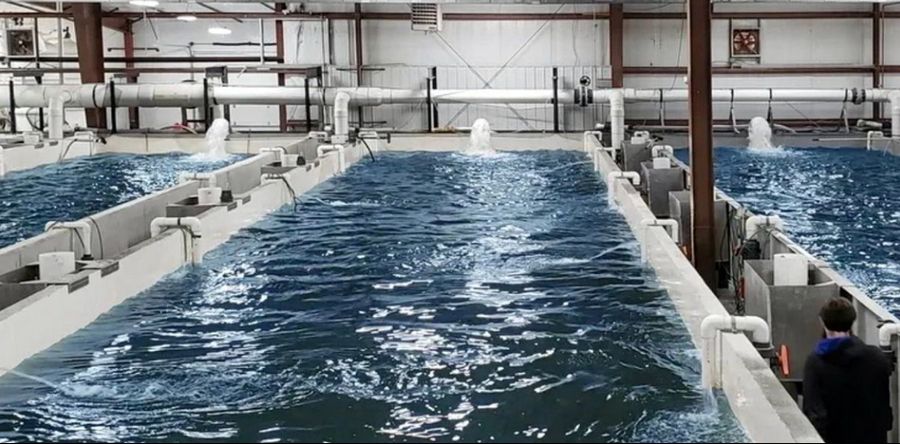
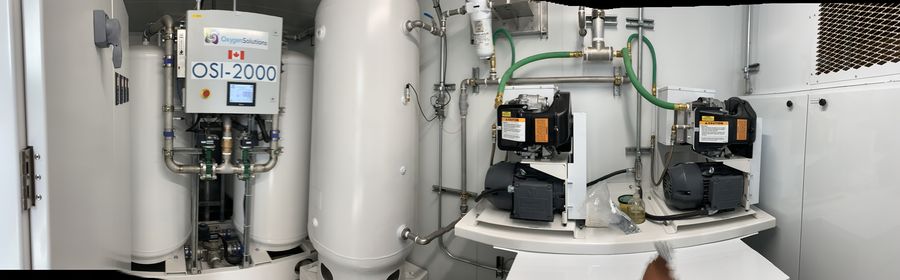
Fully contained, land-based recirculating aquaculture (RAS) produces premium fish with a fraction of the water use of conventional protein, no open-water interaction, and reliable year-round supply — the responsible path as British Columbia moves away from open net-pen farming.

Indigenous-led & community-owned

Our model is built for majority Indigenous ownership, local employment, and structured training. The aim is simple: the value, the jobs, and the expertise stay in the community — a true partnership, not extraction.

Heritage & expertise

Anchored by 25+ years of land-based operations at Lois Lake and the premium Lois Lake Steelhead brand, supported by RAS specialists with experience across six continents — knowledge we transfer directly to community teams.

The Flagship

Lois Lake — a working blueprint.

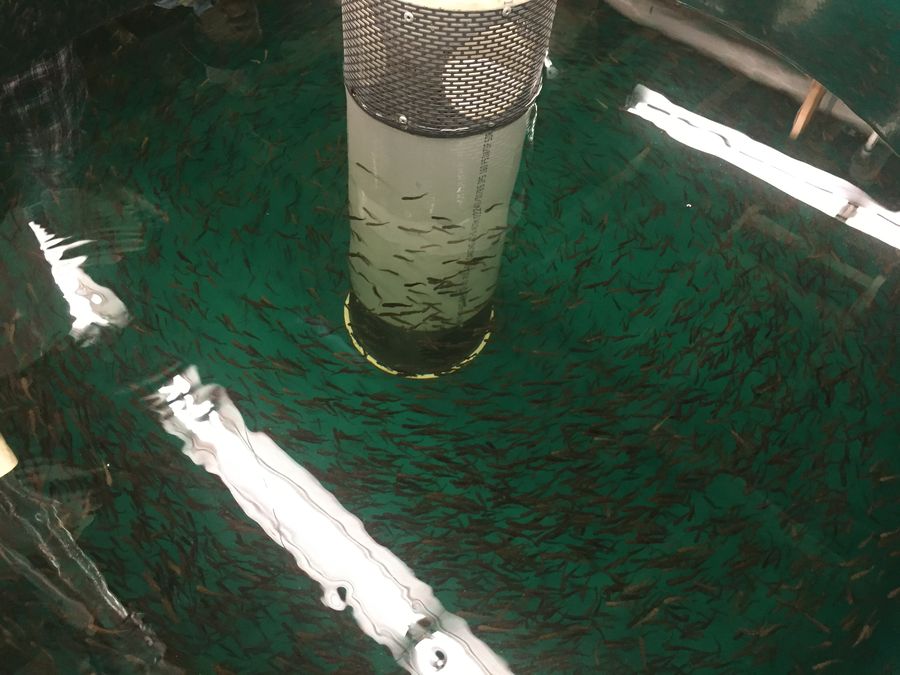
Near Powell River, BC, Lois Lake has raised steelhead for a quarter of a century. For years it was the source of nearly all of British Columbia's steelhead, sold under the Lois Lake Steelhead name to restaurants and grocers across Western Canada.

Today the operation is transitioning to fully land-based RAS and toward majority First Nations ownership — proving, on real ground with a real operating team, what community-owned, sustainable aquaculture can look like.

Premium fish, contained and land-based — produced where it's sold.

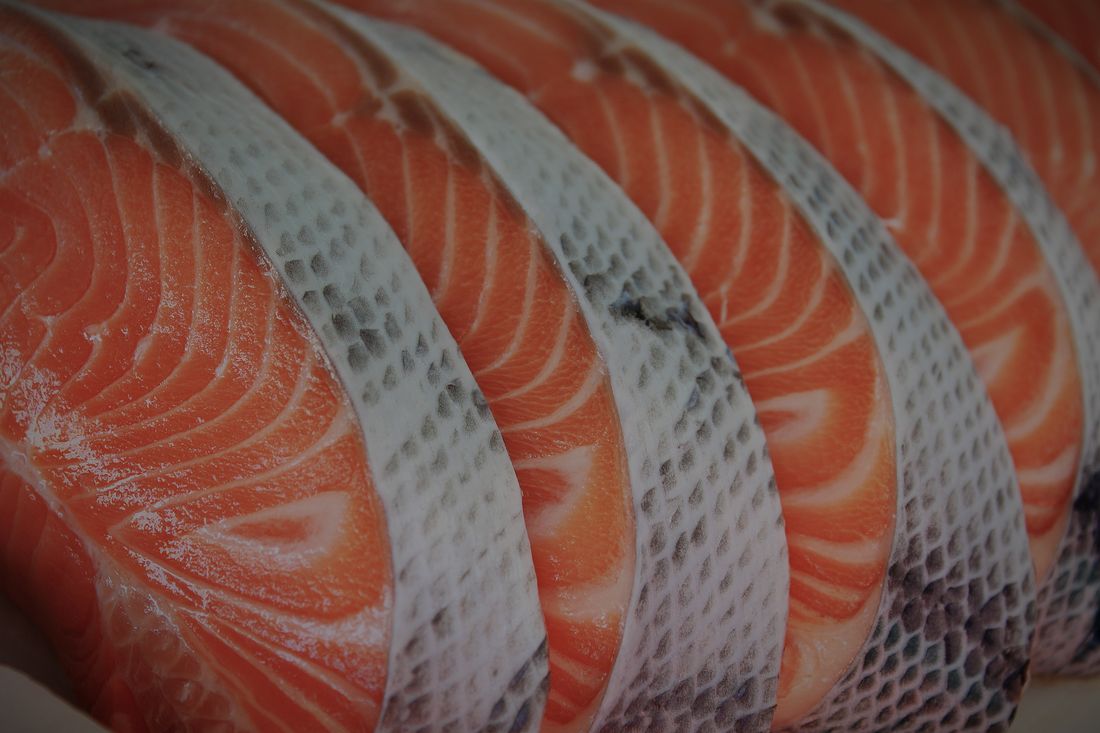
Steelhead trout from the Lois Lake operation
Why Now

A rare moment to get this right.

Three forces have come together that make community-owned, land-based aquaculture both possible and urgent.

01

Food security & sovereignty

Since the pandemic disrupted global supply chains, the case for resilient, locally produced food has never been stronger — and wild fisheries are at or beyond capacity.

02

A coastal industry in transition

Canada is phasing out open net-pen aquaculture in BC coastal waters by 2029, with federal support for the move to contained, land-based systems.

03

Reconciliation in action

Renewed commitment and funding are flowing toward Indigenous-led food production — an opportunity to build lasting, community-owned capacity.

For First Nations Communities

Exploring local food production or aquaculture?

If your community is considering a land-based aquaculture opportunity, we'd welcome a conversation. Discovery conversations carry no fee and no obligation — just an honest assessment of fit, water, and what a community-owned operation could look like.

Start a conversation